AI Ad Targeting & Creative Automation: Meta Advantage+, Google Performance Max, and What to Expect

Today’s marketers face a critical challenge: understanding what happens inside these AI-powered systems and identifying which elements remain under their control.
This guide examines how AI targeting works in practice, what levers advertisers can still pull, and how to prepare for a future where automation becomes the default operating system of digital advertising.
How AI Targeting Works in Practice
AI targeting represents a significant departure from traditional advertising methods that relied on manual rules and broad demographic segments.
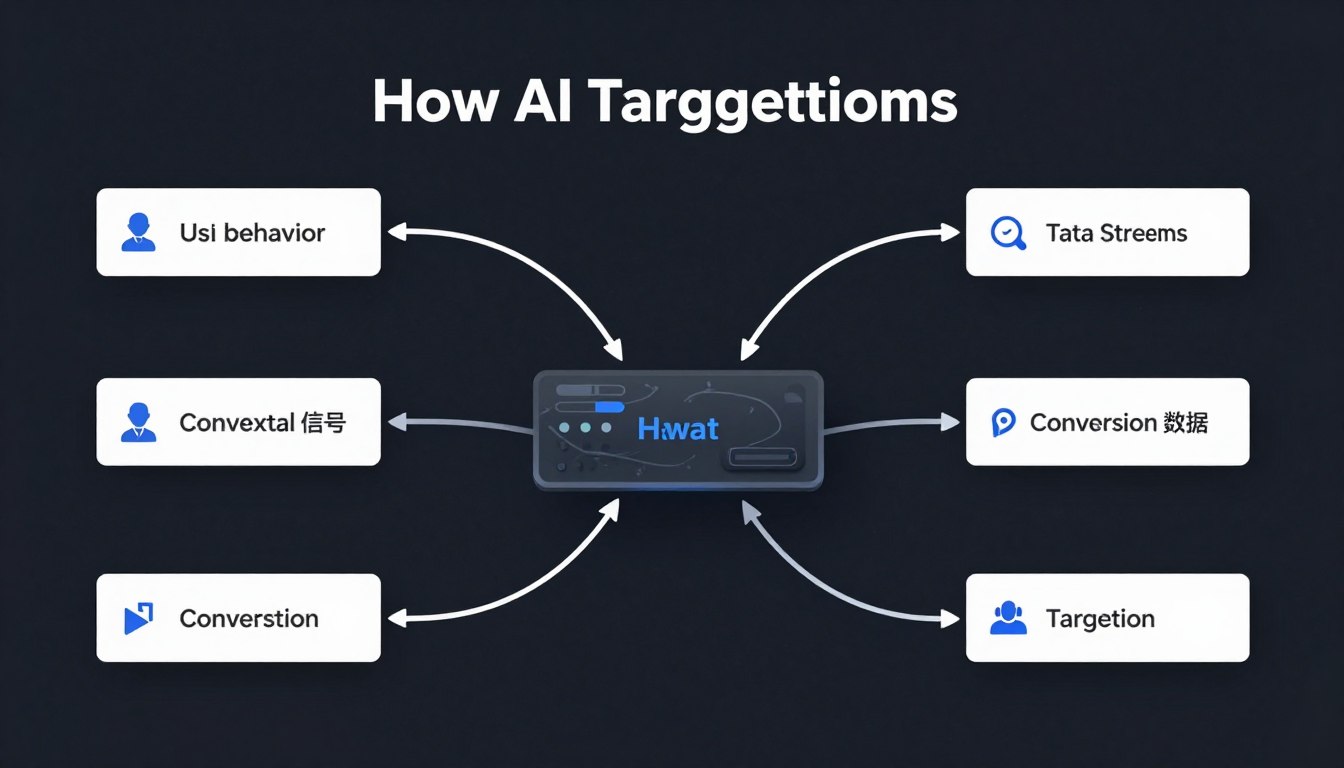
Instead of marketers defining exact audience parameters, AI systems analyse hundreds of signals simultaneously to predict user intent and optimise ad delivery in real-time.
AI targeting systems process multiple data signals to predict user intent and optimise ad delivery
Meta Advantage+: The Evolution of Facebook’s AI Advertising
Meta’s Advantage+ suite represents the company’s most advanced AI-powered advertising tools, designed to automate campaign creation, audience targeting, and creative optimisation. The system works through a continuous feedback loop of data collection, analysis, and optimisation.
Key Components of Advantage+
- Advantage+ App Campaigns: Automatically optimises ad delivery to find users most likely to install apps and take specific post-install actions
- Advantage+ Shopping Campaigns: Automates the creation of product ads across Facebook and Instagram, dynamically adjusting creative elements and targeting
- Advantage+ Creative: Automatically generates ad variations and tests different creative combinations
- Advantage+ Audience: Expands beyond your defined audience to find additional people likely to convert
Meta’s system analyses user behaviour across its platforms, including engagement patterns, content preferences, and conversion history. When you launch an Advantage+ campaign, the AI evaluates billions of data points to identify patterns that human marketers might miss, such as unexpected correlations between interests or optimal timing for specific audience segments.
Google Performance Max: Cross-Channel AI Optimisation
Google’s Performance Max takes automation a step further by managing campaigns across Google’s entire inventory: Search, Display, YouTube, Gmail, Maps, and Discover. The system uses machine learning to determine where, when, and to whom your ads should appear.
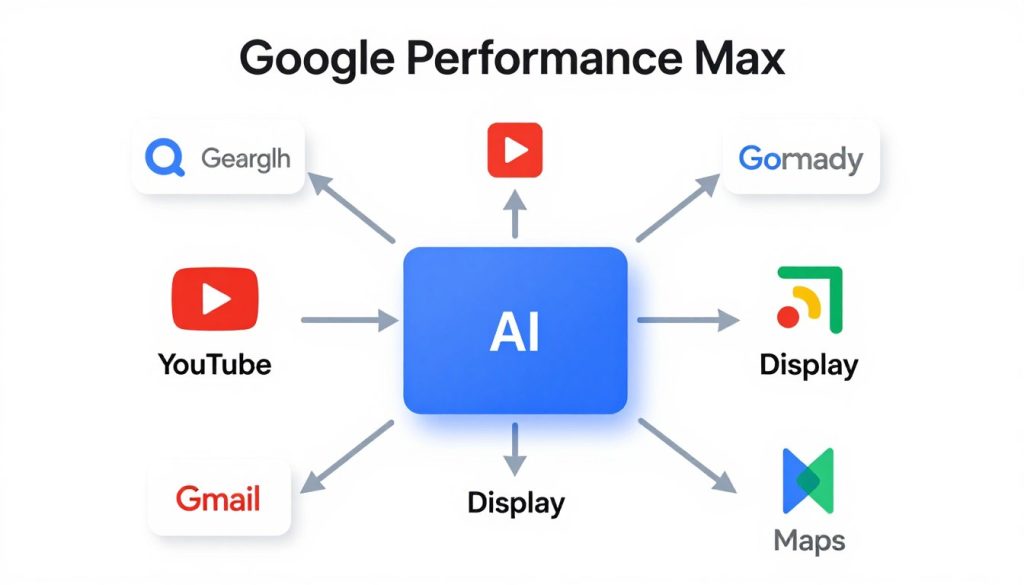
Performance Max campaigns optimize across Google’s entire advertising ecosystem
“Performance Max campaigns leverage automation to help you find more converting customers across all of Google’s channels like YouTube, Display, Search, Discover, Gmail, and Maps.”
The system works through several interconnected processes:
- Signal processing: Analyses first-party data, audience signals, and conversion patterns
- Creative assembly: Combines your creative assets (images, videos, text) into ads optimised for each placement
- Auction-time bidding: Adjusts bids for each auction based on conversion likelihood
- Cross-channel allocation: Distributes budget across channels to maximise overall performance
- Continuous learning: Improves targeting and creative selection based on performance data
The AI Targeting Feedback Loop
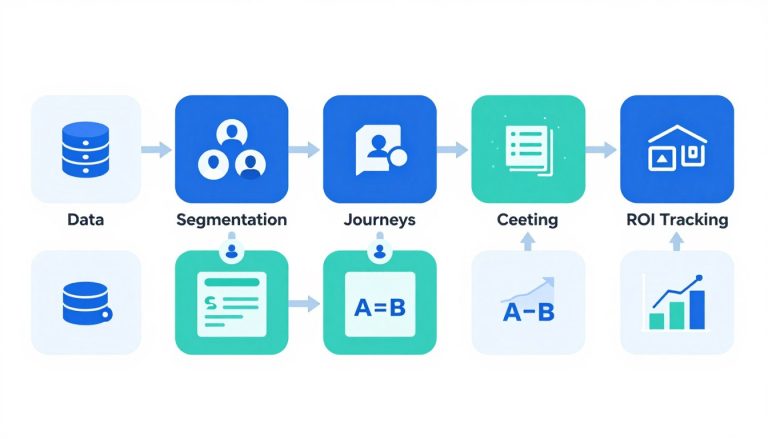
Both Meta and Google’s systems operate as closed feedback loops: they collect signals, make predictions, take actions, measure outcomes, and refine their approach. This creates a virtuous cycle where performance continuously improves as the system gathers more data.
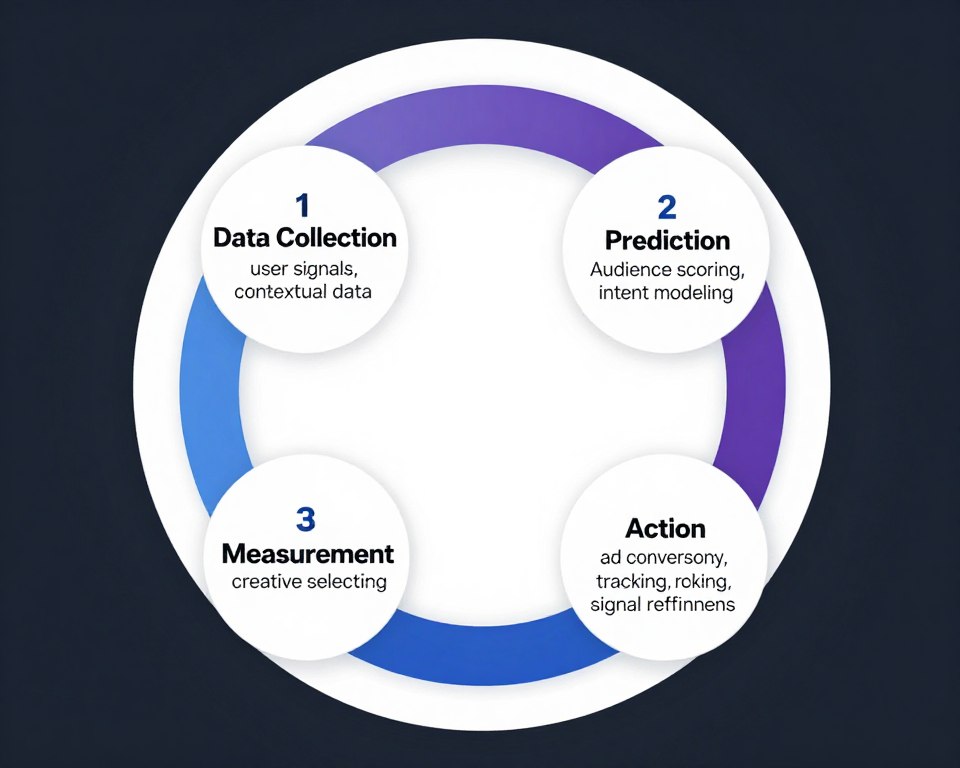
The continuous feedback loop that powers AI targeting systems
What Advertisers Can Control in AI-Driven Systems
While automation handles much of the execution, advertisers still maintain control over critical elements that guide these systems. Understanding these control points is essential for successful campaigns.
Signal Quality and Data Inputs
The quality of data you feed into AI systems directly impacts their performance. You maintain control over several key signal types:
First-Party Data Integration
Both Meta and Google allow you to integrate your customer data to improve targeting accuracy. This includes:
- Customer lists for lookalike/similar audience creation
- CRM data for customer value segmentation
- Website and app event data
- Offline conversion imports
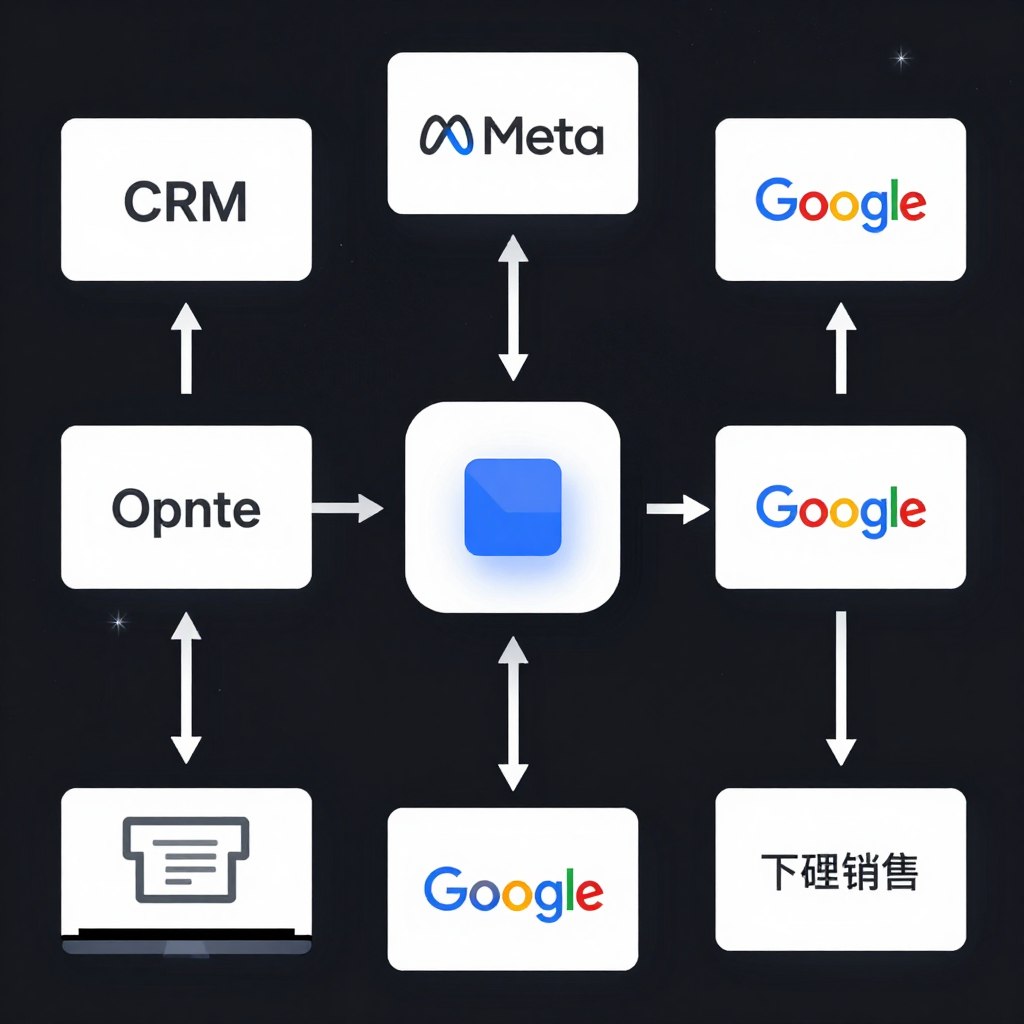
Conversion Event Configuration
How you define conversion events significantly impacts what the AI optimises toward:
| Conversion Type | Platform Support | Best For | Considerations |
| Standard Events (purchase, lead, etc.) | Meta & Google | Clear conversion goals | Requires proper tracking implementation |
| Custom Events | Meta & Google | Business-specific actions | Needs sufficient volume for optimisation |
| Value-Based Optimisation | Meta & Google | Revenue/LTV maximisation | Requires accurate value tracking |
| Offline Conversions | Meta & Google | Businesses with offline sales | Needs a proper data matching setup |
Improve Your Conversion Tracking
Accurate conversion tracking is the foundation of effective AI targeting. Explore tools that can help you implement robust tracking across channels.
Creative Variants and Assets
While AI systems can optimise creative delivery, you maintain control over the creative assets themselves. Providing diverse, high-quality creative options gives the AI more to work with.
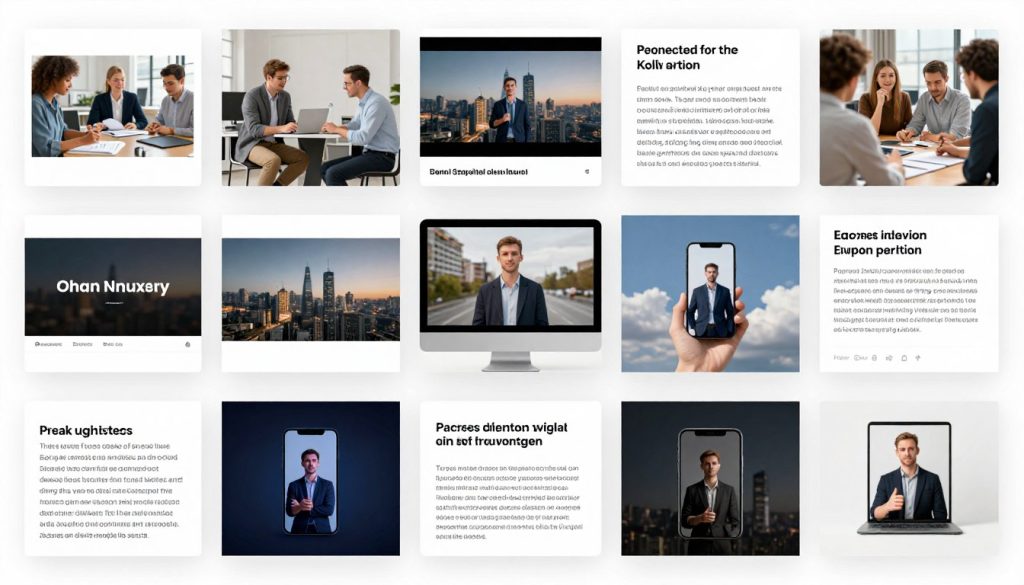
AI systems assemble your creative assets into optimised ads for different placements
Meta Advantage+ Creative Requirements
For optimal performance in Meta’s system, provide:
- Multiple image variations (at least 3-5 different concepts)
- Videos in different formats (square, vertical, horizontal)
- Various headline options (5+ variations with different approaches)
- Multiple primary text variations (3+ options with different lengths)
- Different call-to-action buttons
Google Performance Max Asset Requirements
For Performance Max campaigns, Google recommends:
- At least 5 headlines (30 characters max)
- 5 long headlines (90 characters max)
- 5 descriptions (90 characters max)
- At least 1 landscape image (1200×628)
- 1 square image (1200×1200)
- 1 logo (1200×1200)
- Videos (optional but recommended)
Pro Tip: While providing multiple creative variants is essential, maintain consistent branding and messaging across assets. This helps the AI learn which elements perform best while preserving your brand identity.
Streamline Creative Production
Creating multiple creative variants can be time-consuming. These tools can help you generate and manage creative assets efficiently.
Budget Rules and Bidding Strategies
You maintain significant control over how your budget is allocated and what bidding approach to use:
Budget Control Options
- Campaign budgets: Daily or lifetime spending limits
- Campaign scheduling: When ads should run
- Ad set/group budgets (in non-fully automated campaigns)
- Budget pacing: Standard or accelerated delivery
Bidding Strategy Options
- Maximise Conversions: Get the most conversions within budget
- Maximise Conversion Value: Focus on the highest-value conversions
- Target CPA: Aim for a specific cost per acquisition
- Target ROAS: Aim for a specific return on ad spend
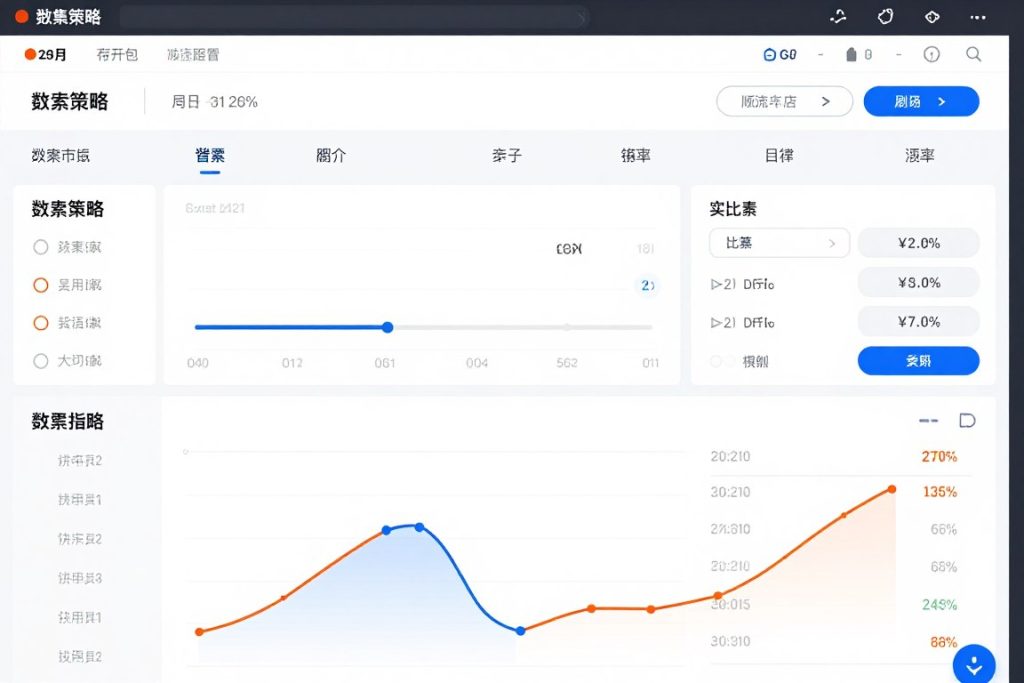
Budget and bidding controls remain critical levers for advertisers
Campaign Objectives and Constraints
The objectives you select fundamentally shape how AI systems optimize your campaigns:
| Campaign Objective | Meta Option | Google Option | Best For |
| Awareness | Brand Awareness, Reach | Brand Awareness | New product launches, brand building |
| Consideration | Traffic, Engagement, App Installs | Website Traffic, App Promotion | Driving site visits, engagement |
| Conversion | Conversions, Catalogue Sales, Store Traffic | Sales, Leads, Local Store Visits | Driving purchases, leads, and store visits |
You can also set various constraints that guide the AI’s optimisation:
- Audience signals: Provide direction on who should see your ads
- Placement exclusions: Prevent ads from appearing in certain locations
- Content exclusions: Brand safety controls
- Frequency caps: Limit how often users see your ads
The Evergreen Edge: How Platforms Are Pushing Toward Deeper Automation
The trend toward automation in advertising is accelerating, with platforms investing heavily in AI capabilities that reduce the need for manual intervention. Understanding this trajectory is essential for staying ahead of the curve.
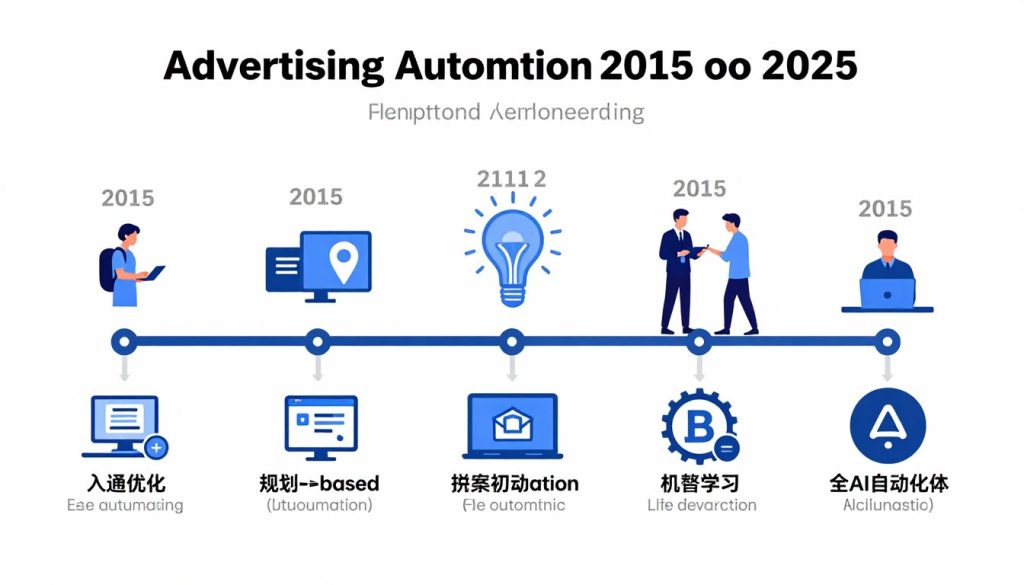
The evolution of advertising automation is accelerating toward fully automated systems
Meta’s Vision for Full Creative Automation
Meta has announced plans to enable brands to fully create and target ads using artificial intelligence by the end of 2026. This represents a significant shift from current capabilities:
Current Capabilities (2025)
- AI tools can generate variations of existing ads
- Automated targeting based on conversion signals
- Dynamic creative optimisation across placements
- Automated budget allocation between ad sets
Future Vision (2026+)
- Complete ad creation from product image and budget
- AI-generated imagery, video, and text
- Real-time personalisation based on user context
- Automated budget optimisation across objectives
“Using the ad tools Meta is developing, a brand could present an image of the product it wants to promote along with a budgetary goal, and AI would create the entire ad, including imagery, video and text. The system would then decide which Instagram and Facebook users to target and offer suggestions on the budget.”
Google’s Automated Campaign Evolution
Google continues to expand its automated campaign types, with Performance Max representing the current pinnacle of this approach. The roadmap shows a clear direction:
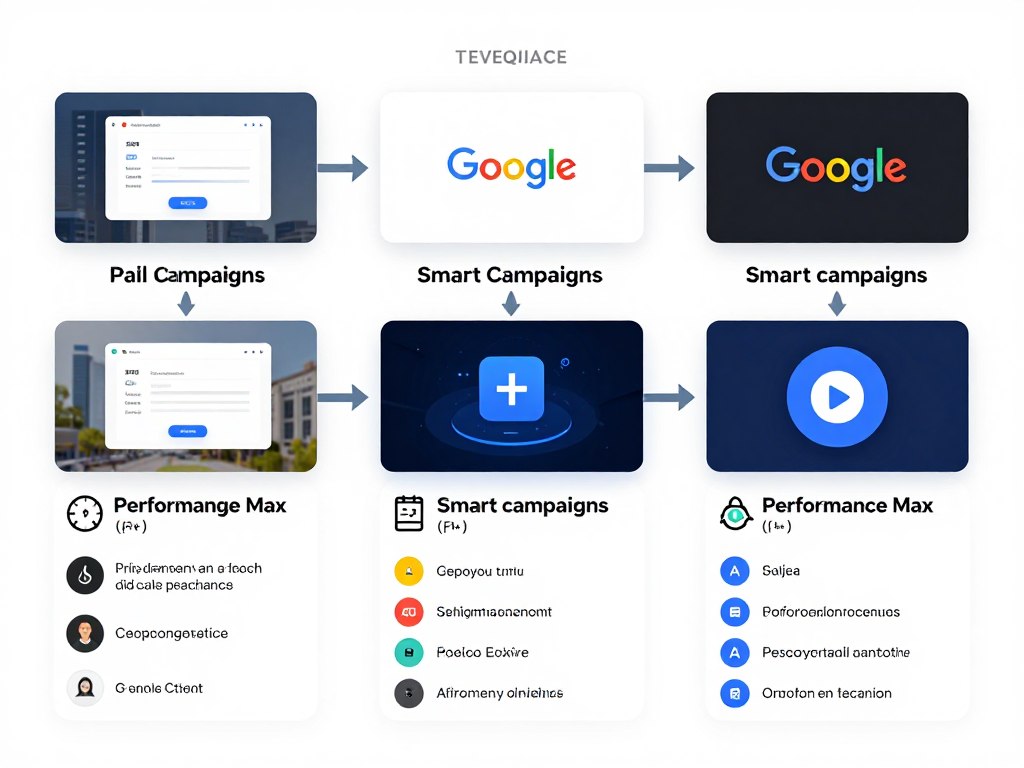
Google’s campaign types have progressively incorporated more automation
- Expanded Performance Max capabilities: More inventory, deeper creative automation
- Enhanced predictive analytics: Better forecasting of campaign performance
- Cross-platform measurement: Improved attribution across Google properties
- Generative AI for creative: Integration with tools like Imagen for ad creation
The Impact on Advertising Strategy
This push toward deeper automation has significant implications for advertising strategy:
Opportunities
- Reduced time spent on manual optimisation
- Ability to test more creative concepts quickly
- More sophisticated audience targeting
- Better performance through real-time optimisation
- Democratized access to advanced advertising for smaller businesses
Challenges
- Reduced visibility into campaign mechanics
- Less granular control over specific placements
- Potential brand safety concerns
- Risk of creative homogenization
- Increased dependence on platform ecosystems
Stay Ahead of Automation Trends
As platforms push toward deeper automation, staying informed is crucial. Explore tools to leverage these changes effectively.
Future-Proofing Your Advertising Strategy
As automation becomes more prevalent, advertisers need to adapt their approach to maintain effectiveness and competitive advantage.
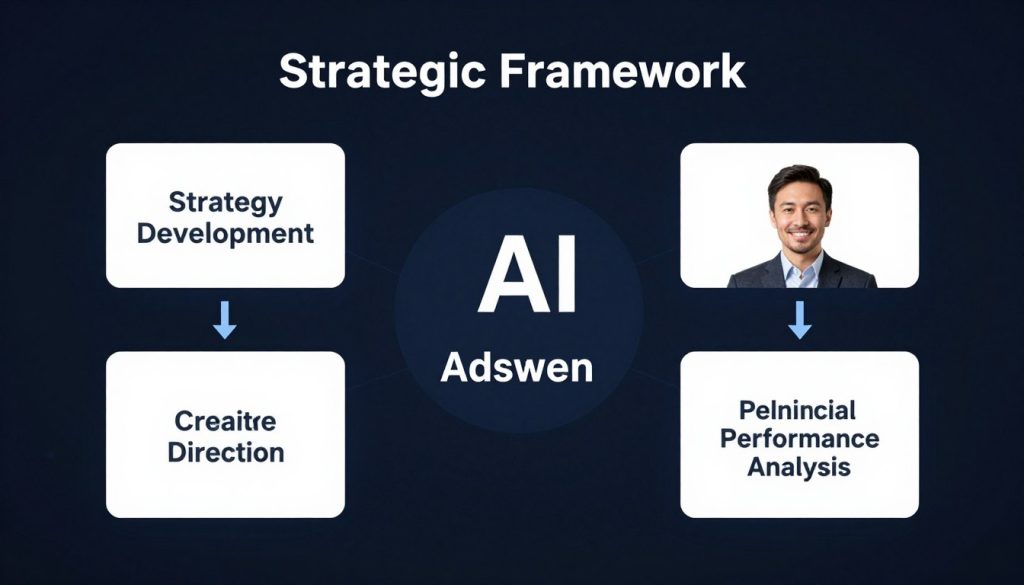
Successful strategies balance automation capabilities with human strategic input
Focus on Signal Quality Over Manual Optimisation
As manual optimisation becomes less relevant, the quality of signals you feed into AI systems becomes paramount:
- Invest in conversion tracking infrastructure: Ensure accurate, comprehensive tracking across channels
- Implement value-based conversion tracking: Help AI optimise toward business value, not just conversion volume
- Integrate offline data: Connect CRM, point-of-sale, and other business systems
- Develop first-party data strategy: Build owned audiences as third-party signals diminish
Elevate Creative Strategy and Testing
While execution becomes automated, creative strategy remains a critical human function:
Creative Strategy Elements
- Develop clear brand guidelines for AI-generated content
- Create diverse creative concepts to test different approaches
- Focus on emotional and narrative elements that AI struggles with
- Establish a regular cadence for creative refreshes
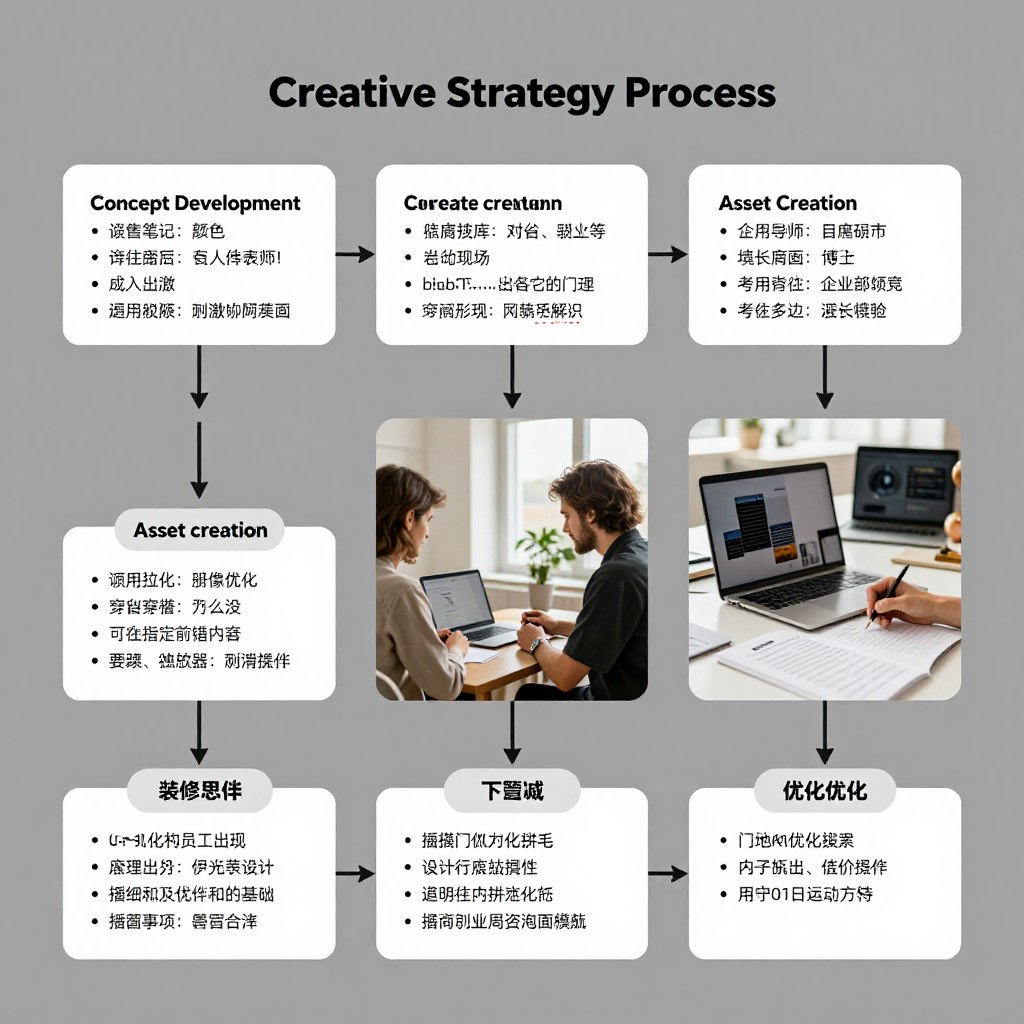
Creative Testing Framework: Even with automation, structured creative testing remains valuable. Develop hypotheses, test systematically, and apply learnings to future creative development. This human-guided approach ensures continuous improvement even as execution becomes automated.
Adopt a Hybrid Measurement Approach
As platforms take more control of optimisation, independent measurement becomes more important:
- Implement incrementality testing: Measure true lift from campaigns beyond platform-reported metrics
- Develop cross-platform attribution: Understand the customer journey across walled gardens
- Balance short and long-term metrics: Don’t let automation optimise solely for immediate conversions
- Establish platform-independent benchmarks: Create your own performance baselines
Enhance Your Measurement Capabilities
Robust measurement is critical as automation increases. Explore tools that provide independent attribution and incrementality testing.
Essential Tools for AI-Driven Advertising
As advertising platforms push toward deeper automation, complementary tools become essential for maintaining control, enhancing performance, and scaling operations efficiently.
Creative Tools for Automated Advertising
These tools help you generate and manage the creative assets needed to feed AI systems effectively:
Creative Automation Platforms
These platforms help you create multiple creative variants at scale by templatizing designs and automating asset generation.
- Generate hundreds of creative variants from templates
- Maintain brand consistency across variations
- Integrate directly with ad platforms
- Automate sizing for different placements
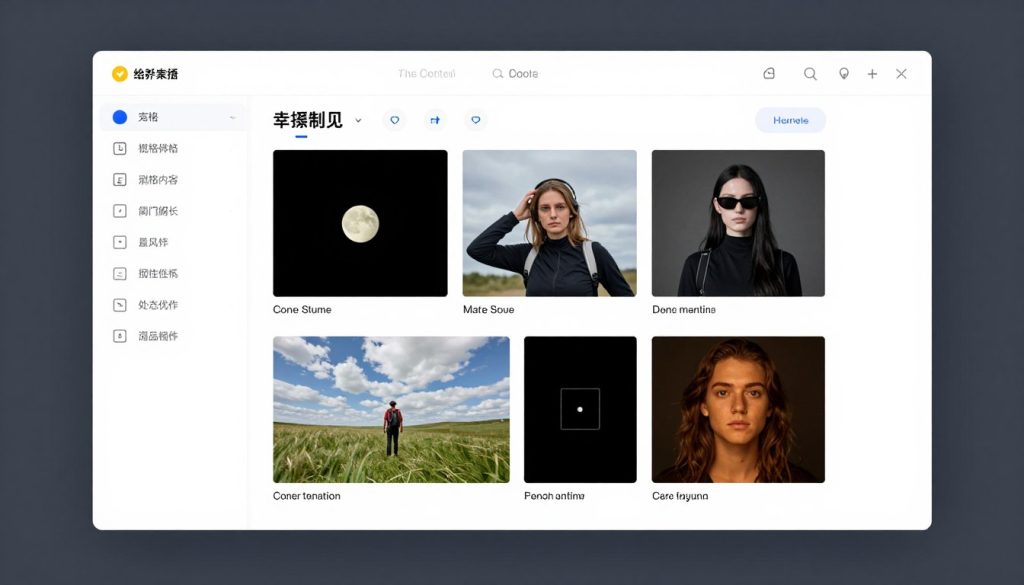
AI Content Generation
These tools use generative AI to create images, videos, and ad copy that can feed into platform automation.
- Generate on-brand visuals from text prompts
- Create multiple headline and description variants
- Produce video content at scale
- Adapt content for different audiences
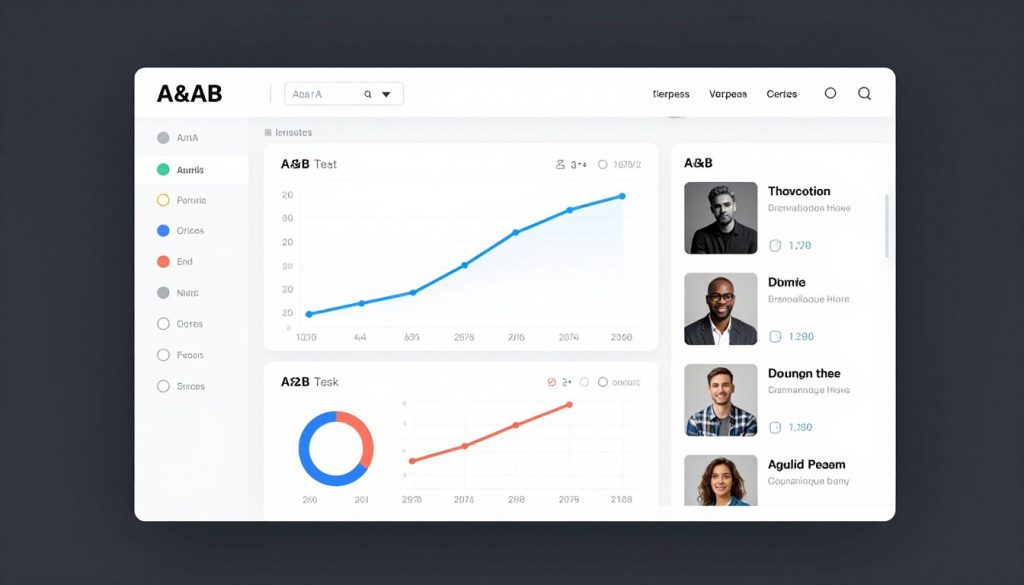
Creative Testing & Optimisation
These platforms help you systematically test creative elements and identify winning combinations.
- Run multivariate tests across creative elements
- Identify which elements drive performance
- Integrate with platform creative optimisation
- Generate insights for future creative development
Attribution and Measurement Tools
As platforms take more control of optimisation, independent measurement becomes increasingly important:
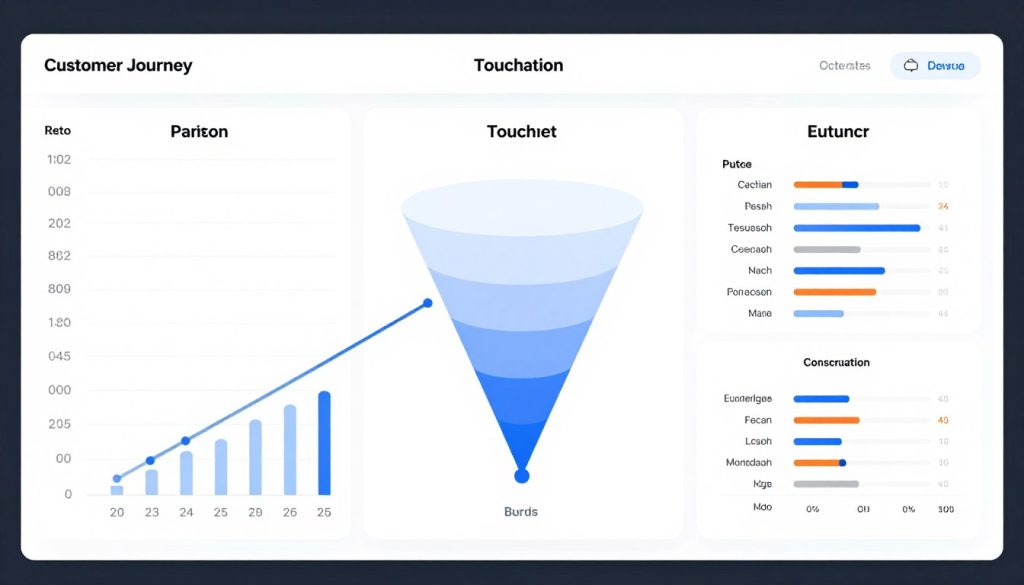
Cross-Platform Attribution
These solutions provide a unified view of performance across multiple advertising platforms.
- Track customer journeys across walled gardens
- Apply custom attribution models
- Identify channel synergies
- Normalise data across platforms
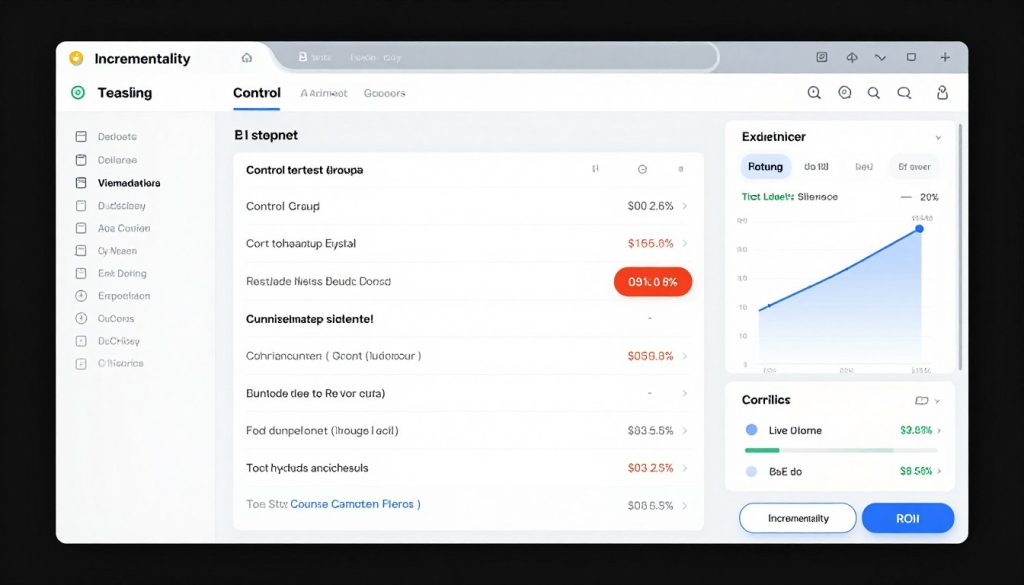
Incrementality Testing
These tools help you measure the true impact of your advertising beyond platform-reported metrics.
- Set up geo-based or audience-based experiments
- Measure true lift from advertising
- Identify diminishing returns thresholds
- Optimise budget allocation based on incremental impact
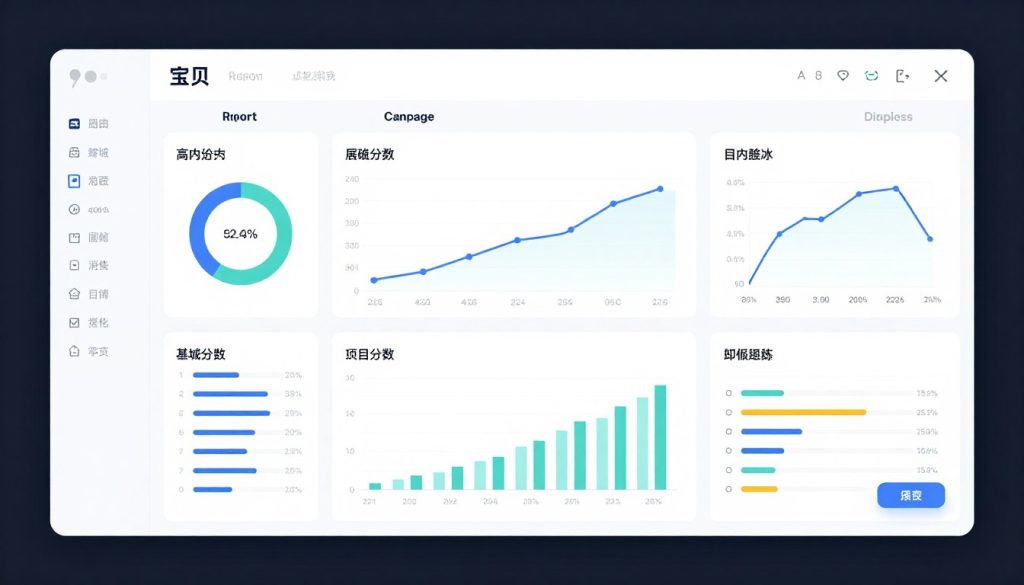
Data Visualisation & Reporting
These platforms help you understand performance trends and communicate results effectively.
- Create custom dashboards for different stakeholders
- Automate reporting across platforms
- Visualise complex performance relationships
- Generate insights and recommendations
Landing Page and Conversion Tools
Even the best targeting and creative won’t perform if your landing experience isn’t optimised:
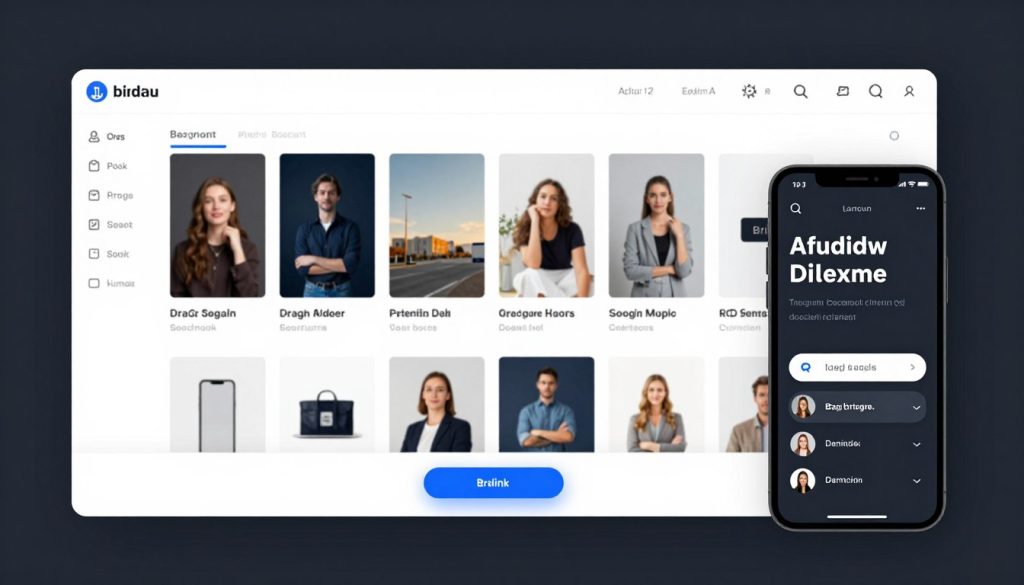
Landing Page Builders
These tools help you create and test high-converting landing pages without developer resources.
- Build pages with drag-and-drop interfaces
- Create mobile-optimised experiences
- Implement A/B testing
- Integrate with advertising platforms
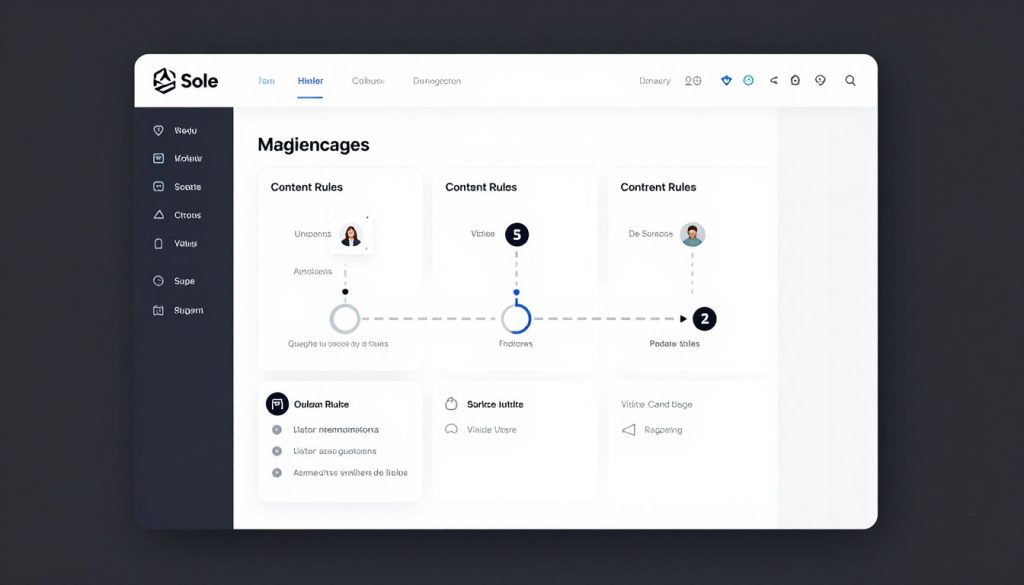
Personalization Platforms
These solutions help you deliver tailored experiences to different audience segments.
- Create dynamic content based on visitor attributes
- Personalise based on the traffic source
- Test different experiences for segments
- Optimise conversion paths in real-time
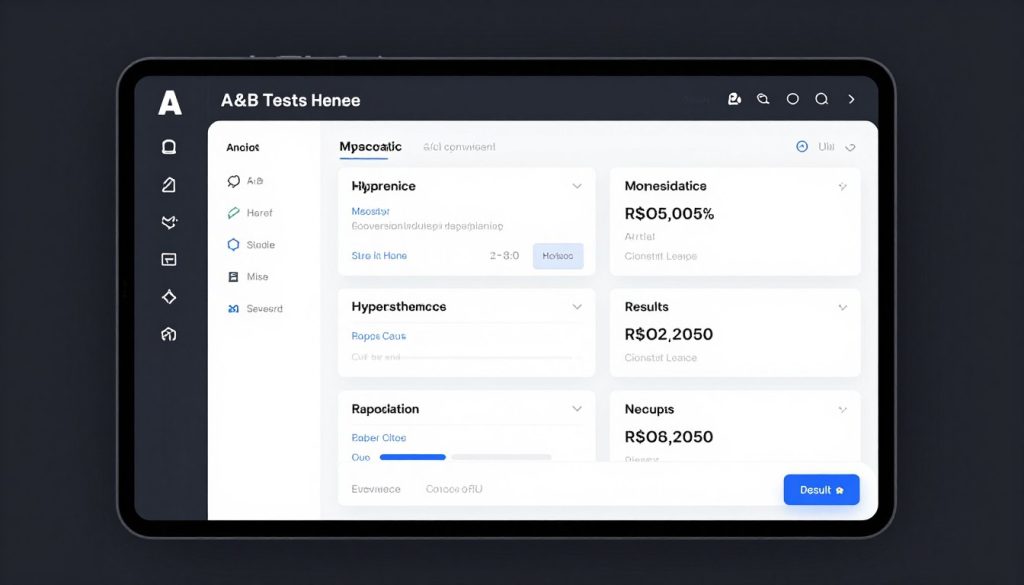
Conversion Optimization
These platforms help you systematically improve conversion rates through testing and analysis.
- Run A/B and multivariate tests
- Analyse user behaviour with heatmaps and recordings
- Identify conversion barriers
- Prioritize optimization opportunities
Conclusion: Balancing Automation and Control
The future of digital advertising lies in finding the right balance between leveraging AI automation and maintaining strategic control. As Meta, Google, and other platforms push toward deeper automation in ad targeting and creative, advertisers must adapt their approach:

Success comes from balancing automation capabilities with human strategic input
- Embrace automation for execution: Let AI handle the tactical aspects of campaign delivery, creative optimisation, and real-time bidding
- Maintain control of strategy: Focus human expertise on business objectives, creative direction, and performance evaluation
- Invest in signal quality: Ensure the data feeding AI systems is accurate, comprehensive, and aligned with business goals
- Develop complementary skills: Build capabilities in data analysis, creative strategy, and business alignment rather than manual optimisation
The advertisers who thrive in this new landscape will be those who understand that automation is a tool, not a strategy. By focusing on the elements they can control—signal quality, creative assets, business objectives, and measurement—marketers can harness the power of AI while maintaining the strategic direction that drives true business results.
Ready to Master AI-Driven Advertising?
Explore our comprehensive suite of tools designed to help you leverage AI targeting and creative automation effectively.
Frequently Asked Questions
How much control do advertisers lose with AI targeting and creative automation?
Advertisers don’t necessarily lose control with AI targeting and creative automation, but the nature of control shifts. Rather than manually adjusting bids, placements, and creative elements, advertisers now control the inputs that guide AI systems: business objectives, conversion signals, creative assets, and audience signals. The day-to-day optimisation is handled by AI, but the strategic direction remains firmly in human hands.
Are Meta Advantage+ and Google Performance Max suitable for small businesses?
Yes, these automated campaign types can be particularly beneficial for small businesses with limited advertising expertise or resources. They reduce the need for specialised knowledge and constant optimisation, allowing small businesses to achieve competitive results with less time investment. However, small businesses should still focus on providing quality creative assets and ensuring proper conversion tracking to get the best results.
How can I measure the true effectiveness of AI-optimised campaigns?
To measure true effectiveness, look beyond platform-reported metrics and implement independent measurement approaches:
- Conduct incrementality tests to measure lift against control groups
- Track business outcomes (revenue, profit) not just advertising metrics
- Implement cross-platform attribution to understand the full customer journey
- Compare results against historical benchmarks and business goals
Will creative automation make all ads look the same?
There is a risk of creative homogenization if advertisers rely entirely on platform-generated creative without strategic input. To avoid this, focus on developing distinctive, creative concepts and providing diverse, high-quality assets to the automation systems. The key is to use automation to execute your unique creative vision, not to replace it. Human creativity in concept development remains essential for differentiation.
How often should I update creative assets in automated campaigns?
For optimal performance in automated campaigns, refresh creative assets regularly to prevent creative fatigue and give AI systems new variations to test. A good practice is to introduce new creative elements every 4-6 weeks for most industries, though this may vary based on audience size and campaign scale. Monitor performance metrics for signs of declining engagement, which often indicates creative fatigue.