Why Your Amazing Course Has Zero Students (And How to Fix It)

I’ll be honest with you… I’ve been exactly where you are right now.
You’ve poured weeks, maybe even months, into building what you believe is an incredible online programme. You’ve given it your all, crafting content you’re genuinely proud of, only to be met with… complete silence. It’s absolutely soul-crushing.
Try my new Course Optimisation Tool here
Here’s the harsh reality: most people don’t realise that having fantastic educational material is no longer enough. The digital learning sector is experiencing explosive growth—projected to reach a massive $325 billion by 2026. That means competition is fierce, and expertise alone is not enough.
In this guide, I’m going to walk you through precisely why your programme isn’t attracting learners and, more importantly, how to turn that around. I made every possible error when launching my first digital offering, so you can avoid those same pitfalls.
We’ll cover everything, from selecting the perfect platform to actually setting up your virtual classroom. Consider this your roadmap from “zero enrolment” to “fully booked sessions.” The issue typically isn’t your content quality—it’s how you present it, where it’s hosted, and how you promote it.
By the end, you’ll have a comprehensive understanding of the online education landscape, know exactly which hosting solution suits your needs, and have a clear action plan for a successful launch or relaunch.
Key Takeaways
- The eLearning market’s massive growth means fierce competition requires more than just good content.
- Most programmes fail due to positioning and marketing issues, not content quality.
- Selecting the right platform is crucial for attracting and retaining students.s
- Personal experience with failed launches provides valuable lessons for success.
- A clear roadmap exists to transform zero enrolment into a fully booked offering.
- Understanding the complete digital education landscape is essential for success.
- Practical solutions exist for common programme launch challenges
Understanding the Landscape of Online Learning
Let me paint you a picture of the current digital education scene. The numbers are staggering—this isn’t just growth, it’s a complete transformation in how people learn. The eLearning market is racing toward that $325 billion projection because today’s learners demand flexibility.
More people than ever are actively seeking online courses for career changes or personal development. The old stigma around digital education has vanished. Modern learners expect professional experiences that are comparable to those found in traditional education.
This explosion creates both opportunity and intense competition. Thousands of new programmes launch monthly. Simply having great material isn’t enough anymore—you need strategic positioning and the right tools to stand out.
Your potential students are comparing your offering against well-funded competitors. Your presentation matters just as much as the quality of your content. Understanding your specific niche—whether corporate training or hobbyist programmes—shapes every decision.
The fantastic news? With the right approach I’ll share, anyone can find their profitable space in this booming market. You don’t need massive funding—just a smart strategy.
Optimising Course Creation Process
The moment you start developing your curriculum is when many creators stumble. I’ve been there—either overthinking every detail or rushing through the process. Both approaches lead to problems.
Planning your curriculum isn’t about dumping everything you know into one massive programme. It’s about creating a clear journey from where your learner starts to where they want to finish.
Planning Your Curriculum
Map out this path before recording any content. I follow what I call the “10-minute rule”—each segment should take roughly 10 minutes to complete.
This keeps people engaged without overwhelming them. Modern attention spans demand this approach.
Defining Learning Objectives
Be incredibly specific with your goals. Instead of “learn marketing,” try “create your first Facebook ad campaign that generates leads for under £100.”
Specific objectives help students see immediate value. Your materials should include a mix of videos, downloads, worksheets, and assessments.
Variety caters to different learning styles and keeps the material engaging. Use templates if you’re starting—there’s no shame in building on proven structures.
The development process should be iterative. Launch your core lessons to a small group first, gather feedback, and then refine them. Perfectionism is the enemy of progress when you need to get your programme live.
Choosing the Right Online Course Platform
Honestly, I remember staring at a list of 50 different platforms, feeling completely paralysed by choice. Let’s cut through the noise. Your hosting decision impacts everything from student experience to your profit margin.
First, simplify your search by understanding the four main categories. You have dedicated hosting platforms, all-in-one solutions, WordPress plugins, and marketplaces. Picking your category first narrows the field dramatically.
Comparing Platform Features
Every platform claims to be the best. What matters are the features you actually need. Do you require built-in email marketing? Membership site tools? List your must-haves before you start comparing.
Here’s a quick look at some standout options I’ve tested personally. This table compares their core offerings and costs.
| Platform | Best For | Key Features | Starting Price (Monthly) |
|---|---|---|---|
| Thinkific | Overall Brilliance | Powerful builder, zero transaction fees | Free plan, paid from £74 |
| Teachable | Beginner-Friendly Use | Simple interface, quick setup | Free trial, from £49 |
| LearnWorlds | Engaging, Professional Results | Interactive video tools, sleek templates | From £29 |
| Podia | Beautiful Simplicity | All-in-one platform, digital downloads | From £39 |
Evaluating Pricing and Free Trials
Pricing is more than just the monthly fee. Always check for transaction fees. Some ‘cheaper’ platforms charge 5-10% per sale, which can significantly reduce your profits.
The best tool is one you can test. Sign up for free trials on 2-3 platforms. Build a small lesson on each. You’ll quickly see which interface feels right for your workflow.
Pro tip: Pay annually if you’re serious. Most platforms offer discounts of 20-25%. This can save you a significant amount of money over time.
Exploring All-in-One Course Platforms
There’s a moment in every digital entrepreneur’s journey when you realise you’re spending more time managing tools than actually teaching. I hit that wall hard with my first online programme. Juggling separate systems for hosting, email, payments, and websites was draining my energy and profits.
That’s when I discovered the power of all-in-one platforms. These integrated solutions bundle everything you need into one dashboard. No more switching between fifteen different apps or dealing with compatibility issues.
Benefits of Integrated Solutions
Thinkific stands out as a brilliant all-in-one platform. Their “Fast Track” programme is genuinely helpful—it guides you through building and launching your digital offering in 30 days. You get templates and a clear roadmap that actually gets results.
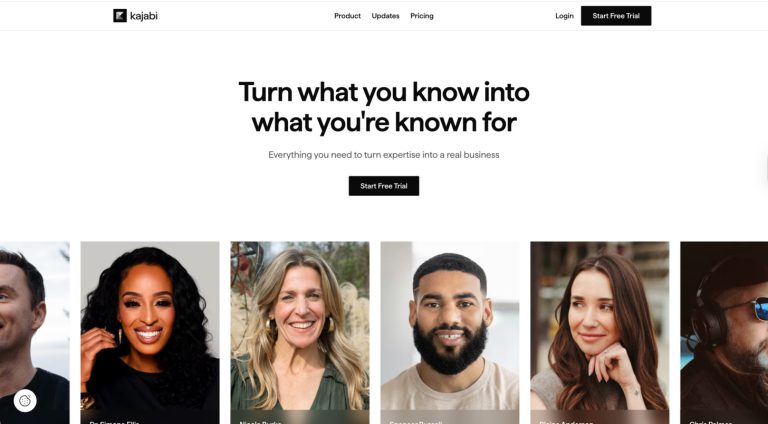
For those building a serious business, Kajabi delivers premium features. Starting at £119 monthly (with 20% annual discount), it includes Wistia video hosting worth £99 alone. You get sophisticated funnel builders and community features that elevate your entire operation.
Marketing and Sales Tools
The marketing and sales tools on these platforms are game-changers. You can create landing pages, set up email sequences, and build complete funnels without coding. Everything integrates seamlessly.
LearnWorlds adds interactive eBooks and built-in social networks. Students can take notes directly in materials, creating deeper engagement. The ability to create branded mobile apps takes learner experience to the next level.
Yes, these platforms cost more upfront. But when you calculate separate hosting, email marketing software, and payment processors, the integrated price often saves money. More importantly, it saves your sanity.
Utilising WordPress LMS Plugins for Flexibility
I want to share a different path that gives you total ownership of your digital programme. If you already run a WordPress website and don’t mind getting technical, this approach offers unparalleled control.
Your entire learning system lives on your own website. You own all student data and can brand everything exactly how you want—no platform restrictions or third-party branding.
Customisation and Integrations
The real power comes through integrations. You can connect your WordPress LMS with virtually any software through plugins. Email marketing tools, payment gateways, membership systems—everything works together seamlessly.
LearnDash (£189) is the gold standard I use on one of my sites. The customisation options are incredible. LifterLMS (£360/year) offers modern engagement features, while Masterstudy (£55) provides a budget-friendly theme with built-in LMS functionality.
Here’s the reality check: this platform requires hands-on management. You’ll need to handle updates, security, and troubleshooting on your own. If technical terms make you nervous, hosted solutions may be a better option.
Use WordPress LMS if you have an established website with traffic or need specific customisation that other platforms can’t provide. The integrations and control are worth the technical effort for serious educators.
Leveraging Online Learning Marketplaces
What if I told you there’s a way to bypass the initial marketing struggle entirely? Online learning marketplaces offer exactly that—instant access to a massive, ready-made audience.

Platforms like Udemy, Skillshare, and Coursera have millions of learners actively searching for new courses. You’re essentially setting up shop in a busy digital mall, rather than building your own standalone store.
Expanding Your Audience Reach
The appeal is obvious. You get immediate visibility without spending months on marketing. Your online course appears alongside established offerings, giving you credibility by association.
But here’s the trade-off I learned the hard way. These platforms typically take 50-75% of your sales revenue. You also sacrifice control over student relationships and pricing.
Udemy works brilliantly for general knowledge topics. Skillshare’s subscription model rewards engaging, creative content. Each marketplace serves a specific type of audience.
My strategy? Use marketplaces for testing and exposure, but build your primary business on your own platform. Create a shorter version of your primary offering for marketplace access, then guide interested students to your whole programme, where you keep all profits.
This approach offers the best of both worlds—wide access to potential students through marketplaces, combined with higher margins and control through your own site. Don’t put all your eggs in someone else’s basket.
How to Launch Your First Course Quickly
What separates successful educators from dreamers is simple: they actually launch. I’ve watched countless brilliant people get stuck in endless tweaking cycles. Their material never reaches students because they’re chasing perfection.
The fastest way to get started involves focusing on core content only. Create 5-7 essential lessons that deliver real value. Build a simple sales page and invite a small beta group.
Rapid Deployment Guide
Free trials are your best friend when you want to get started free. Platforms like Thinkific and LearnWorlds offer generous trial periods. You can test your entire programme with real students before spending money.
Thinkific’s Fast Track programme breaks the launch process into daily tasks. It guides you from empty dashboard to live offering in 30 days. This structure prevents overwhelm and keeps you moving forward.
| Launch Strategy | Time Commitment | Best For | Success Rate |
|---|---|---|---|
| Beta Group Launch | 2-3 weeks | First-time creators | High |
| Platform Free Trial | 30 days | Budget-conscious | Medium-High |
| Fast Track Programme | 30 days structured | Need guidance | Very High |
Overcoming Launch Challenges
Perfectionism is the enemy of progress. Your audio quality matters more than video production values. Students care about results, not Hollywood-quality presentations.
Set a firm launch date and announce it publicly. This creates accountability that forces action. Remember: a live programme helping people beats a perfect one that never launches.
You can always improve based on real feedback. The goal is to get started, not achieve perfection on the first try. Your version 2.0 will be even better thanks to student input.
Incorporating Interactive Content and Multimedia
I used to think a great curriculum was enough to keep students hooked. Then I saw the dropout rates. Modern learners crave participation, not just passive watching. The most successful digital offerings mix different media to create a dynamic experience.
Using Videos, Quizzes and Surveys
Video is your foundation, but perfection isn’t the goal. My first videos were shot on an iPhone! Clear audio from a £50 microphone matters far more than a fancy camera.
Quizzes are absolute gold for knowledge retention. They break up content and give learners quick wins. Use them after every major section to reinforce learning.
Survey your students throughout the programme. Ask what they’re struggling with or how they’re applying the material. This makes them feel heard and boosts completion rates.
| Content Type | Primary Benefit | Best Placement | Platform Example |
|---|---|---|---|
| Short Video | Introduces core concepts | Start of a module | All major platforms |
| Interactive Quiz | Tests understanding | After a key lesson | LearnWorlds, ProProfs |
| Feedback Survey | Gathers insights | End of a section | Integrated tools |
Enhancing Learner Engagement
To create engaging material, mix your formats. Follow a video with a PDF worksheet, then a quiz. This variety prevents boredom.
Platforms like LearnWorlds offer brilliant interactive features. Think in-video pop-ups and quizzes. These tools transform watching into active participation.
Remember, an engaging course with simple, solid content always beats a complex, boring one. Start with the basics and build from there.
Measuring Course Success and Learner Progress
Examining your analytics dashboard can feel overwhelming, but it’s where real growth occurs. I used to either ignore the data completely or get lost in endless numbers. Then I learned which metrics actually matter for improving your digital offering.
The core numbers to watch are simple: total sales, enrolment figures, completion rates, quiz results, and student progress through modules. These five metrics reveal everything about your programme’s health.
Tracking Sales and Enrolments
Most platforms include built-in dashboards for sales tracking. Thinkific, Teachable, and LearnWorlds provide solid reporting on revenue and sign-ups. You can see exactly where your marketing efforts are paying off.
I check weekly which lessons have the highest drop-off rates. This shows where content needs improvement. Low quiz pass rates indicate that I need to explain certain concepts better.
Analytics and Reporting Insights
Use assessment data to identify knowledge gaps. If most learners fail a particular question, that’s a teaching problem—not a student issue. The material likely needs clearer explanation.
Automated reporting tools like Mini Course Generator save massive time. You can schedule weekly reports showing new enrolments and completion rates without manual work.
Don’t just collect data—act on it. Set monthly reviews to identify your biggest issue, then make one targeted improvement. These small, data-driven changes compound into a significantly better programme over time.
Implementing Feedback for Continuous Improvement
A quiet revolution is happening in successful online education, and it begins with a simple question: ‘How can I make this better for you?’ I learned this the hard way after my first programme launch. The real magic happens when you stop guessing what students need and start listening to what they’re actually telling you.
Collecting Learner Feedback
Most creators make two big mistakes with feedback. They either don’t ask for it, or they collect it but never act on it. Both approaches miss the point completely.
Build surveys into your programme from day one. Use them at the start to understand skill levels, during the programme to catch issues early, and at the end for comprehensive feedback on the entire learning experience.
Ask specific questions that give you actionable insights. Instead of “How was the course?” try “Which lesson was most valuable and why?” or “Where did you get stuck?” This type of feedback becomes your roadmap for improvement.
Negative comments might sting initially, but they’re pure gold. When learners point out confusion, they’re showing you exactly where to focus your improvement efforts.
Create a simple monthly cycle: collect feedback, identify the top three suggestions, make changes, then tell learners what you’ve updated. This shows you value their input and creates incredible loyalty.
Your programme should evolve based on real student needs, not assumptions. The experience gets better for everyone when you listen and adapt.
Maximising Marketing Strategies for Your Online Course
Here’s the truth I wish someone had told me before my first launch: brilliant content alone won’t fill your virtual classroom. You need a solid marketing plan to reach your ideal audience.
Your business success depends on getting your message in front of the right people. Modern platforms include powerful tools to make this easier than ever.
Effective Email Campaigns
Email marketing remains the most reliable channel for selling digital courses. Building a list before launch gives you a warm audience ready to engage.
Platforms integrate seamlessly with services like Mailchimp and ActiveCampaign. You can create automated sequences that nurture leads from interest to enrolment.
Social Media and Content Marketing
Social platforms work best when you provide value first. Share student successes and mini-lessons rather than constant sales pitches.
Content marketing builds authority over time. A blog or YouTube channel addressing student questions creates natural demand for your paid online course.
| Marketing Channel | Primary Strength | Best For | Platform Tools |
|---|---|---|---|
| Email Sequences | High conversion rates | Nurturing warm leads | Built-in automation |
| Content Marketing | Long-term authority | Building organic traffic | Blog integration |
| Social Media | Broad reach | Community building | Sharing tools |
| Affiliate Programmes | Scalable promotion | Expanding reach | Commission management |
Sales funnels guide potential students through a logical journey. Start with free value, build trust, then make your offer. The right marketing strategy turns your great content into a thriving business.
Integrating Advanced Tools and Customisations
The right combination of digital tools can transform your entire approach to building educational content. We’ve reached a point where AI and advanced integrations aren’t just futuristic concepts—they’re practical solutions that save dozens of hours.

Utilising AI for Content Generation
AI-powered creation tools like Mini Course Generator and ProProfs Training Maker are genuinely impressive. You simply input your topic, upload existing materials, and specify your module count. The AI generates a structured outline with content suggestions.
Here’s my workflow: the AI handles the initial structure and draft content, saving hours of staring at blank screens. I then add personal stories and specific examples to make it unique. It’s perfect coordination between technology and human expertise.
Selecting Additional Software Tools
Templates are absolute game-changers for design and speed. Why spend days designing from scratch when platforms offer professionally designed templates you can customise quickly?
The right integrations can automate your entire operation. Connect your platform with software like Zapier to automatically add students to email lists or send notifications. Popular tools include Zoom for live sessions and various CRM software.
Don’t go overboard with tools though. Start with your core platform and 2-3 essential integrations. As your business grows, add more sophisticated software based on specific needs.
Conclusion
This conclusion isn’t an ending—it’s your starting line for building the educational business you’ve imagined. You now understand why programmes struggle and exactly how to fix them.
The digital learning market offers incredible opportunities, but success demands more than expertise. You need the right platform, engaging content, and smart marketing. Most importantly, you need action.
My best advice? Stop waiting for perfect and launch with good enough. Get real students, gather feedback, and improve. This cycle builds every thriving educational venture.
Choose tools that match your comfort level—Thinkific for simplicity, LearnWorlds for engagement, or WordPress for control. Then focus on creating genuine value that solves real problems.
Building takes time and consistency. My first offering made just £347 monthly initially. Keep improving and marketing—your persistence will pay off.
You’ve got this. The market is hungry, the tools exist, and your knowledge matters. Stop overthinking and get started today!