How AI Content Generation Redefines Modern Marketing

Artificial intelligence in marketing has matured far beyond simple automation. It now functions as a strategic partner, deeply integrated into the entire content lifecycle. This shift is not just a trend. As reported by AudienceScience, 83% of marketers agree that AI enhances their productivity, confirming its move from a novelty to a necessity. The perception of AI as a replacement for writers is outdated. Instead, it has become an indispensable assistant that amplifies human creativity.
The New Role of AI in Content Workflows
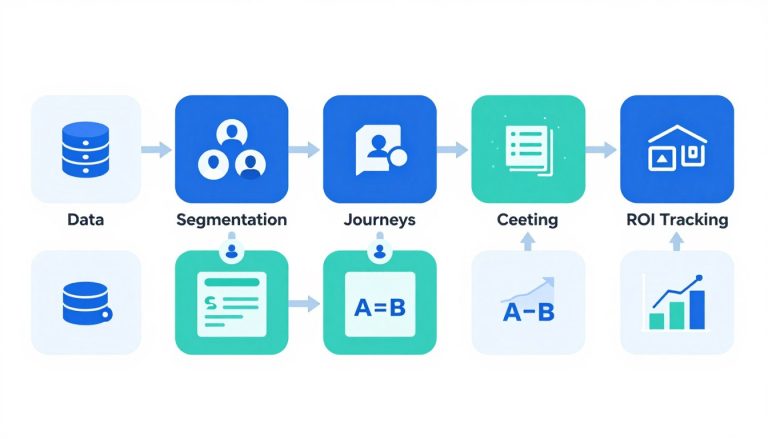
Thinking of AI as just a content generator misses the bigger picture. Its real value lies in how it supports marketers at every stage, from the initial spark of an idea to the final performance analysis. This partnership allows teams to offload repetitive tasks and dedicate their energy to what truly matters: strategy, creativity, and building customer relationships. By handling the “how,” AI frees up professionals to focus on the “why.”
This integrated approach transforms the daily workflow:
- Ideation and Research: Before you even write a word, AI tools can analyse search trends, dissect competitor content, and monitor audience discussions on social media or forums. This provides a data-backed foundation for identifying topics that will actually resonate with your audience.
- Structuring and Drafting: Once a topic is chosen, AI can generate structured outlines for blog posts, draft multiple initial versions, and produce dozens of ad copy variations for A/B testing. This dramatically accelerates the initial creation phase.
- Optimisation and Analysis: After the content is published, AI continues to work. It can suggest improvements based on real-time engagement data, helping you refine headlines, calls to action, and body copy to improve performance continuously.
A variety of AI content creation tools now exist to support each of these steps, from research to final draft. By automating these time-consuming processes, marketers can reclaim valuable hours to invest in brand development and creative direction, which still require a uniquely human touch. The overall benefits of AI in marketing are clear: greater efficiency and more time for high-impact strategic work.
Boosting Engagement with AI-Powered Personalization

We’ve all received those generic marketing emails that feel entirely disconnected from our interests. Traditional, one-size-fits-all campaigns are becoming less effective because customers now expect relevance. This is where a modern AI for marketing strategy truly shines. AI algorithms analyse vast datasets, including user behaviour, purchase history, and demographics, to deliver content tailored to each individual in real time.
This hyper-personalisation is visible across multiple channels. For instance, AI can generate hundreds of versions of AI-generated ad copy for platforms like Google and Meta, automatically testing and optimising messages for different audience segments. It also excels at adapting AI-generated social media content to the unique culture of each platform, whether it’s a professional tone for LinkedIn or a more casual, visual approach for Instagram.
For business professionals and course creators, this capability is compelling in email marketing. We can all picture that moment of hesitation before opening a promotional email. AI helps overcome this by crafting personalised subject lines, opening hooks, and calls to action based on a subscriber’s past interactions. An email might reference a specific blog post they read or a product they viewed, making the message feel like a one-on-one conversation. For course creators, this level of personalisation can be the difference between a launch that falls flat and one that thrives, directly addressing the common issue of why your amazing course has zero students and how to fix it.
| Aspect | Traditional Marketing | AI-Powered Marketing |
|---|---|---|
| Targeting | Broad demographic segments | Individual user behavior and intent |
| Messaging | Static, one-size-fits-all copy | Dynamic, individually tailored messages |
| Content Variation | Manual A/B testing with limited versions | Automated generation of hundreds of variations |
| Campaign Optimization | Based on past performance reports | Adjusted in real time based on live data |
| User Experience | Generic and impersonal | Relevant, timely, and highly engaging |
This table illustrates the fundamental shift from broad, static marketing campaigns to dynamic, individualised experiences driven by AI. The data points are based on established capabilities of current AI marketing platforms.
Navigating the Practical Challenges of AI Content
While AI offers significant advantages, integrating it into your workflow comes with practical hurdles. Acknowledging these challenges is the first step toward using these tools effectively and responsibly. The goal is not to find a perfect, hands-off solution, but to build a process in which human expertise guides AI-driven efficiency.
One of the most common issues is the quality and originality of AI-generated drafts. Let’s be honest, initial outputs can sometimes be generic, factually inaccurate, or completely miss your brand’s unique voice. These AI “hallucinations” can damage credibility if not caught. This is why the role of the human editor is absolutely non-negotiable. Every piece of AI-assisted content requires a thorough review for fact-checking, refining language, and injecting the unique insights and personality that only a human can provide.
Another challenge is the “black box” problem. Often, it’s unclear how an AI arrived at a particular suggestion or conclusion. This lack of transparency can undermine accountability and make collaboration difficult. The solution is to treat AI as a powerful assistant that provides tips, not as an infallible oracle that makes final decisions. Integrating human review is essential, and a comprehensive SEO content workflow tool can help structure this process effectively.
Finally, algorithmic bias is a serious concern. An AI trained on biased historical data might inadvertently create content that reinforces stereotypes, such as associating certain job roles with specific genders in ad copy. Vigilant human oversight is critical to catch and correct these biases, ensuring your marketing is fair, inclusive, and representative of your values.
Upholding Ethical Standards in AI Marketing

Beyond the day-to-day practicalities, using AI in marketing carries significant ethical responsibilities. The same technology that enables powerful personalisation also handles sensitive customer data, creating an obligation for brands to operate with transparency and integrity. This is the core of ethical AI content creation.
The conversation must start with data privacy. Marketers have a duty to be transparent about what data they collect and how it is used to power AI-driven campaigns. Principles from regulations like the CCPA serve as a valuable benchmark for ethical practice, emphasising user consent and control. This responsibility extends to securing the data that fuels these AI systems, protecting it from breaches and misuse. We stand firm in our belief that trust is built on transparency, and customers deserve to know how their information is being used.
This leads to the critical question of accountability. Who is responsible if an AI tool generates misleading advertising claims or discriminatory content? The answer is clear: the ultimate responsibility lies with the brand and the marketer overseeing the tool. As marketing experts at Harvard’s Division of Continuing Education emphasise, it is crucial to balance the benefits of AI with potential negative impacts on consumers and society. A human must always be in the loop.
To put these principles into practice, marketing teams should establish a clear ethical framework. This includes:
- Mandatory Human Review: Institute checkpoints where a human editor must approve all AI-generated content before it goes live.
- Bias and Accuracy Audits: Develop specific protocols for regularly auditing content to check for hidden biases and factual inaccuracies.
- Disclosure Policies: Create clear guidelines on when and how to disclose the use of AI to your audience, maintaining their trust.
The Future of Human-AI Collaboration in Content
The rise of AI doesn’t signal the end of the content professional. Instead, it marks the evolution of their role into something more strategic: an “AI Orchestrator.” This professional guides AI tools, curates the best outputs, and ensures the final narrative aligns perfectly with brand strategy and ethical standards. Their value shifts from pure creation to strategic direction, making the human element more important than ever.
Success with AI is not about a one-time implementation. It is an evolving technology that requires a culture of continuous learning and adaptation. Marketers who thrive will be those who stay informed about new capabilities and remain prepared to adjust their strategies to use these powerful tools responsibly. Staying informed is the best way to prepare for this future, and resources like AI Tool Shed are designed to help professionals do just that.